

Piles, also known as haemorrhoids, are a common condition that affects many people at different stages of life. Although piles are widespread, many individuals hesitate to talk about them openly. As a result, awareness about piles meaning, what happens in piles, and their underlying causes often remains limited. Understanding this condition clearly can help people make better lifestyle choices and avoid long-term discomfort.
Piles Meaning and What Happens in Piles
Piles, or haemorrhoids piles, refer to swollen or enlarged veins located in the lower rectum or around the anus. These swollen veins develop gradually when repeated pressure builds up in the rectal area. Over time, this pressure may lead to discomfort, irritation, or bleeding during bowel movements.
In most cases, what happens in piles is closely linked to bowel habits. When stools are hard or bowel movements are irregular, the body needs to strain more. Consequently, the veins around the rectum experience excess pressure, which may cause swelling.
Haemorrhoids Piles: Common Triggers
Several lifestyle and dietary factors can contribute to haemorrhoids piles. Most commonly, these include:
-
Irregular digestion
-
Constipation or incomplete bowel movements
-
Low intake of fibre
-
Lack of physical movement
-
Prolonged sitting
-
Weak digestive strength
Among these factors, digestion plays a particularly important role. When digestion weakens, bowel movements often become slow or difficult. As a result, the chances of developing piles may increase over time.
Weak Digestion and Its Connection with Piles
From a traditional Ayurvedic perspective, digestion forms the foundation of overall wellness. When digestion works efficiently, food processes smoothly, and waste elimination remains regular. However, when digestion weakens, undigested food residues may accumulate, which can disturb bowel regularity.
Due to weak digestion, stools may become hard or irregular. Consequently, frequent straining occurs during bowel movements. Over time, this repeated strain may increase pressure in the rectal veins, which contributes to discomfort associated with piles.
The Ayurvedic View on Liver Function and Digestion
According to Ayurveda, digestion depends on the balanced functioning of internal systems, including the liver. Traditionally, Ayurveda associates the liver with metabolic balance and internal cleansing processes. When liver function feels sluggish, digestion may also slow down.
As digestion weakens, bowel regularity may suffer. Therefore, Ayurveda suggests that maintaining liver balance can support smoother digestion and comfortable elimination. While this does not mean that liver imbalance directly causes piles, it highlights the connection between digestive efficiency and bowel comfort.
Treatment of Piles: A Lifestyle-Focused Understanding
When people search for treatment ofpiles, they often look for quick solutions. However, long-term comfort usually depends on lifestyle habits. Improving digestion and bowel regularity can play a significant role in reducing strain.
Some commonly recommended supportive habits include:
-
Eating fibre-rich foods regularly
-
Drinking adequate water throughout the day
-
Maintaining fixed meal timings
-
Avoiding prolonged sitting
-
Including light physical activity in daily routine
By following these habits consistently, individuals may experience better digestive comfort.
Piles Treatment in Ayurveda: A Holistic Perspective
Piles treatment in Ayurveda focuses on improving internal balance rather than addressing symptoms alone. Ayurveda emphasizes digestion, routine, and mindful eating habits. Traditionally, Ayurvedic practices encourage light meals, warm foods, and disciplined daily routines.
Moreover, Ayurveda places importance on maintaining digestive strength to support regular elimination. These traditional practices aim to promote overall balance and comfort when followed as part of a healthy lifestyle.
It is important to note that Ayurvedic approaches are based on traditional knowledge and should not replace professional medical advice.
Frequently Asked Questions About Piles
Q1. What is the main reason for piles?
In many cases, piles develop due to repeated strain during bowel movements, which often results from poor digestion or constipation.
Q2. Does digestion affect piles?
Yes, weak digestion may lead to hard stools and irregular bowel movements, increasing pressure in the rectal area.
Q3. Can lifestyle changes support pile comfort?
Yes, dietary improvements, hydration, and regular routines play a major role in digestive balance.
Q4. Is Ayurveda helpful for piles management?
Ayurveda focuses on digestion and internal balance, which may support overall bowel comfort when combined with a healthy lifestyle.
Supporting Digestive and Liver Wellness Naturally
Since digestion plays a central role in bowel comfort, supporting digestive and liver wellness becomes essential. Traditional Ayurvedic formulations are often chosen by individuals who wish to maintain digestive balance as part of daily wellness routines.
Mahashakti Livshakti Kwath is an Ayurvedic herbal formulation traditionally used to support liver and digestive wellness. It is commonly included by individuals seeking to maintain digestive balance and internal harmony through natural means.
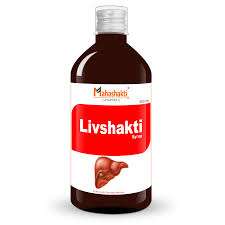
Mahashakti Livshakti Syrup – Ayurvedic liver tonic for fatty liver, gas, acidity, and digestion. Buy online from AyurrMart.com.
Mahashakti Livshakti Kwath is available for purchase through AyurrMart, making it convenient to include Ayurvedic wellness practices in everyday life.
Disclaimer
This content is for informational purposes only. It does not diagnose, treat, cure, or prevent any medical condition. Always consult a qualified healthcare professional for medical advice.